


Introduction
Embark on a mesmerizing journey to Arusha National Park, Tanzania’s captivating haven of magnificent wildlife, diverse landscapes, and adrenaline-pumping adventures. Scale Mount Meru, the land’s second-highest peak, and witness breathtaking beauty at every turn.
Let our comprehensive 2025/2026 travel guide lead you to the park’s hidden wonders. Consider reading our guide until the end and plan your dream Tanzanian safari experience today!
Overview of Arusha National Park
Arusha National Park, although relatively small compared to other Tanzanian parks, spans a surprisingly vast area of 137 square kilometers and presents an array of diverse landscapes. The park is only a short drive from the bustling city of Arusha.
Its terrain is a mix that’s rich and multifaceted, featuring unique natural features like the Meru Crater funnels and the Momela Lakes, which add an element of charm to its beauty. Another prominent highlight is the lush highland montane forest that sprawls across a significant part of the park.
It boasts a variety of flora and fauna, offering many exploration opportunities for visitors. However, the imposing Mount Meru is the park’s crowning jewel, which stands majestically over the park and contributes significantly to its allure.
1. Highlights
Diverse Landscapes Despite its relatively compact size, Arusha National Park offers a rich diversity of landscapes. From the tranquil beauty of the Momela Lakes and the Ngurdoto Crater to the lush highland montane forest and the striking peak of Mount Meru, the park presents an array of scenic views that are a visual treat for visitors.
Wildlife Encounters: Arusha National Park houses numerous wildlife, making it an excellent spot for animal enthusiasts. The park’s inhabitants include herbivores like giraffes, buffalos, and zebras, while primates such as the agile colobus and blue monkeys are commonly seen in the forests. Although less abundant, leopards might be spotted by fortunate visitors.
Birdwatching Paradise:With over 400 species of birds, the park is bird lovers’ paradise. From waterbirds at the Momella Lakes to forest-dwelling species in the montane rainforest, passionate birdwatchers and amateurs alike will have a field day exploring the park’s feathery inhabitants.
Cultural Experiences: The park’s proximity to Arusha City allows visitors to blend their safari experience with authentic cultural interactions. Visitors can explore local markets, savor Tanzanian cuisine, and learn about the region’s rich history after a day of wildlife viewing.
Range of Activities: Arusha National Park isn’t solely about sightseeing but offers several engaging activities. You can go on game drives, walk safaris escorted by armed rangers, or even canoe on the Momella Lakes. Those seeking a challenging trek can opt for a multi-day hike to the summit of Mount Meru, providing an adventurous diversion amidst the wildlife-centric activities.
Wildlife and Birdlife
Arusha National Park may have a smaller five, but offers unique wildlife viewing experiences. You can spot animals like the African buffalo, giraffe, warthog, and zebra. The park is also one of the few places in Tanzania where you can see the black and white colobus monkey.
Bird watchers are in for a treat, too. The park is home to various bird species, with the Momela Lakes attracting migratory water birds such as flamingos.
1. Highlights
Diverse Wildlife Despite lacking the quintessential big cats seen in other Tanzanian parks, Arusha National Park boasts an impressive array of wildlife. The park is home to large herbivores such as giraffes, buffalo, zebras, warthogs, and smaller mammals like bushbucks and dik-diks. The dense forests provide a perfect home for primates like the black and white colobus monkey and blue monkey.
Flamingos at Momela Lakes: The Momela Lakes, with their differing mineral contents, attract a variety of waterbirds. A highlight for any visitor is the sight of hundreds of lesser flamingos, their pink hues contrasting sharply against the blue waters of the lakes. Seeing these elegant birds wading through the lake’s shallow waters is a cherished memory.
Birdwatching Heaven:With over 400 recorded species, Arusha NP is a prime spot for avid birdwatchers. The park houses resident and migratory bird species, offering different sightings with changing seasons. Some unique sightings include the silvery-cheeked hornbill, Augur buzzard, and Hartlaub’s turaco, among others.
Special Sightings of Leopards: Although unfamiliar, fortunate visitors may glimpse the elusive leopard. This solitary, stealthy carnivore is occasionally spotted dashing through the park, giving lucky wildlife enthusiasts an unforgettable spectacle. As sightings are rare, chance encounters with this big cat become all the more special and memorable.
Canoe Safari : One of the unique wildlife experiences Arusha National Park offers is its canoe safaris on the Momela Lakes. This allows visitors to approach wildlife at the lake quietly, including waterbirds and other animals who come to drink. This intimate, close-by wildlife encounter from the water’s vantage point is a unique and enthralling experience, further enriching the park’s wildlife offerings.
The Majestic Mount Meru
With its towering presence, Mount Meru takes center stage in Arusha National Park, standing at 4,566 meters. It is renowned as Tanzania’s second-highest peak and the fifth-highest mountain on the African continent. Adventure-seekers can embark on an exhilarating four-day trek to the summit, navigating through a challenging yet profoundly satisfying trail.
Along the climb, trekkers encounter various ecosystems and wildlife, making the journey captivating for nature enthusiasts. Reaching the summit is an enriching experience, as adventurers are treated to breathtaking panoramic views of the surrounding landscapes. The Mount Meru trek is a testament to the diverse and exciting opportunities Arusha National Park offers its visitors.
1. Highlights
Outstanding Panoramas One of the biggest highlights of Mount Meru is the breathtaking panoramic view it offers. From its summit, visitors can enjoy scenic vistas of the surrounding landscape, including the stunning Momela Lakes, the fertile highlands, and, on a clear day, the iconic, snow-capped peak of Mount Kilimanjaro in the distance.
Rewarding Trekking Experience: Mount Meru provides an exhilarating and challenging 3-4 day trek. Described as a warm-up for Kilimanjaro, the trek includes challenging gradients, altitude illness tests, and rough terrains, but the spectacular view from the summit is certainly worth the effort.
Diverse Habitats: The trek up Mount Meru passes through various habitats. From lush rainforests at the base to alpine heaths and barren landscapes around the peak, you experience diverse environments in a single trek.
Wildlife and Birdlife Encounters : The slopes of Mount Meru provide habitat to various wildlife species like buffalo, baboons, and warthogs, allowing trekkers to spot these animals along their journey. Further, with over 400 species of birds present in the park, birdwatchers can delight in spotting a rich array of avian creatures during their ascent or descent.
Less Crowded : Typically, Mount Meru sees fewer trekkers than its more famous neighbor, Mount Kilimanjaro. Consequently, treks on Mount Meru can provide a more serene and peaceful experience, allowing climbers to enjoy their adventure at their own pace without the distraction of large tour groups.
The Momela Lakes
A standout feature of Arusha National Park is the Momela Lakes, a beautiful series of seven individual crater lakes, each possessing different mineral contents. The varying mineral composition reflects diverse colors in the lakes, adding to the picturesque views offered by the park. These alkaline lakes attract a rich assortment of bird species, making them an absolute delight for bird lovers.
Visitors can see flocks of pink-hued flamingos gracefully marching through the shallow waters. Furthermore, the lakes are a favorite spot for majestic pelicans and various species of storks. The Momela Lakes, with their vibrant birdlife and tranquil beauty, thus add a unique charm to the overall experience at Arusha National Park.
1. Highlights
Distinct Colors: A unique feature of the Momela Lakes is their color differences, attributed to varying mineral contents. These colors range from green and blue to deep red, creating a mesmerizing kaleidoscope that leaves visitors in awe and presents stunning opportunities for photographers.
Rich Birdlife: The Momela Lakes are renowned as a sanctuary for diverse bird species. Among the iconic inhabitants are thousands of lesser flamingos, whose pink plumage starkly contrasts the blue waters. Sightings of pelicans, cormorants, grebes, and herons also add to the lakes’ ornithological appeal.
Game Viewing : Besides avian life, the Momela Lakes and their fringes are also frequented by terrestrial wildlife. Visitors can spot large mammals like zebras, giraffes, and waterbuck who come for a drink, creating a classic African safari backdrop with water bodies and wildlife.
Canoeing Adventure : One of the unique experiences offered by the park is canoeing safaris on the Momela Lakes, allowing for intimate and discreet wildlife watching. This provides an entirely different perspective for game viewing and bird watching and is an experience to be noticed.
Scenic Beauty :The Momela Lakes, with their individualized colors, lush surrounding greenery, and backdrop of Mount Meru, undoubtedly offer some of the most scenic views in Arusha National Park. The tranquil beauty of these lakes set against the wild landscapes is a sight that remains imprinted in the minds of visitors long after their visit.
Ngurdoto Crater
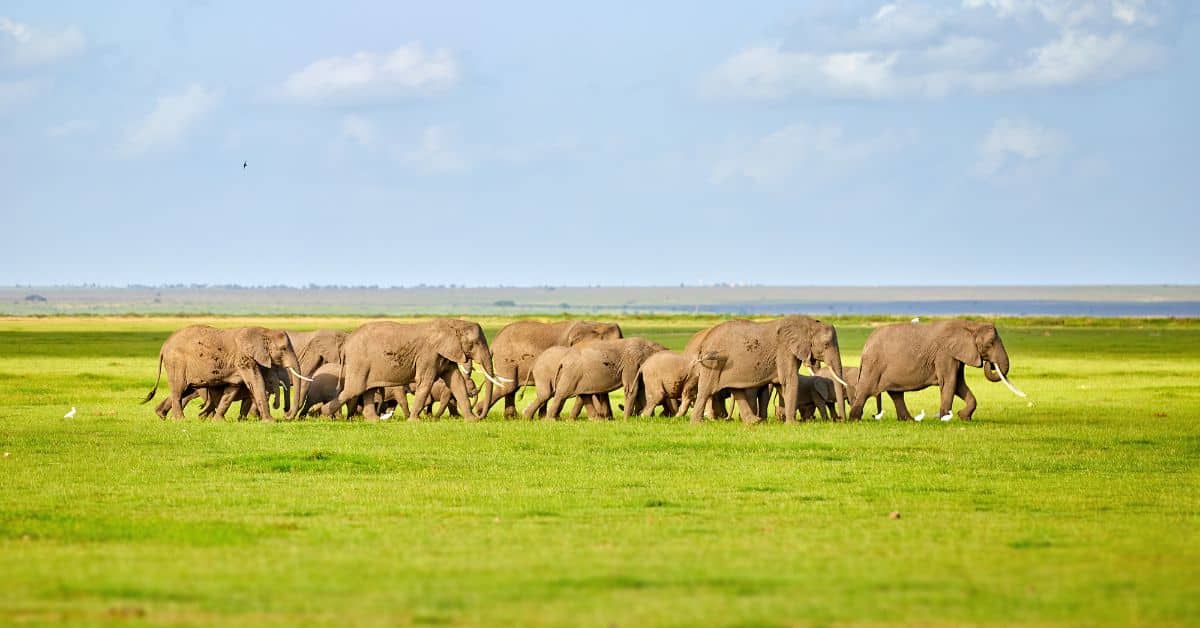
The Ngurdoto Crater, fondly nicknamed ‘Little Ngorongoro,’ is a captivating caldera within Arusha National Park. Enveloped by dense forest on its slopes, the crater floor forms a marshy expanse teeming with wildlife. Buffalos and warthogs are common sightings, while lucky visitors may also spot elephants from time to time.
Although venturing into the crater is prohibited, the park provides several well-placed viewpoints overlooking the caldera. From these vantage points, visitors can appreciate the crater’s complex ecosystem and observe the wildlife that calls it home. The Ngurdoto Crater serves as a stunning natural showcase and a testament to the diversity of Arusha National Park.
1. Highlights
Raw Natural Beauty : The Ngurdoto Crater, known as ‘Little Ngorongoro,’ features a stunningly beautiful landscape. Its towering, forest-clad walls and marshy floor form a lush green caldera, offering visitors an awe-inspiring spectacle that encapsulates the untouched, raw beauty of Arusha National Park.
Wildlife Viewing: Despite its small size, the Ngurdoto Crater is home to various wildlife, including warthogs, buffalos, baboons, and occasionally elephants. Visitors can spot these animals roaming freely from the crater rim in their natural habitat, with the backdrop of the crater’s verdant environment.
Birdwatching Opportunities: Ngurdoto Crater, with its marshy floor and surrounding foliage, supports a variety of bird species. Bird enthusiasts visiting the rim can look forward to spotting eagles, buzzards, and many other avian species, making it an ideal site for birdwatching.
The crater’s rim boasts various strategically placed viewpoints and picnic sites offering panoramic views of the crater floor and its wildlife. These spots provide excellent opportunities for picnicking in nature and capturing memorable snapshots of the scenic vista.
Hiking Trails: For those who love a good walk, several hiking trails are leading up to and around the Ngurdoto Crater. This allows visitors to fully appreciate the area’s beauty as they trek along scenic trails while relishing the enchanting aura that the crater exudes.
Activities in Arusha National Park
Beyond wildlife viewing, Arusha National Park offers various activities, allowing visitors to explore and experience the park in unique ways.
If you thirst for thrill, gear up for a heart-pumping quad bike safari along the region’s winding paths or experience the frothy fury of white-water rafting on its mighty rivers. For those seeking a calm yet captivating endeavor, mount a horse and meander your way through the picturesque landscapes, amazed by the breathtaking views of Mount Kilimanjaro, standing proud as Africa’s tallest mountain.
Game Drives: Conducted in the morning or afternoon, game drives are a must for any safari experience. They provide an opportunity to view wildlife from the safety and comfort of a vehicle.
Canoeing on Momela Lakes: Enjoy a serene canoe ride on the Momela Lakes, a unique way to observe water birds and wildlife along the shorelines.
Walking Safaris: Arusha NP is one of the few parks in Tanzania that allow walking safaris. These guided walks provide a unique perspective on the park’s flora and fauna.
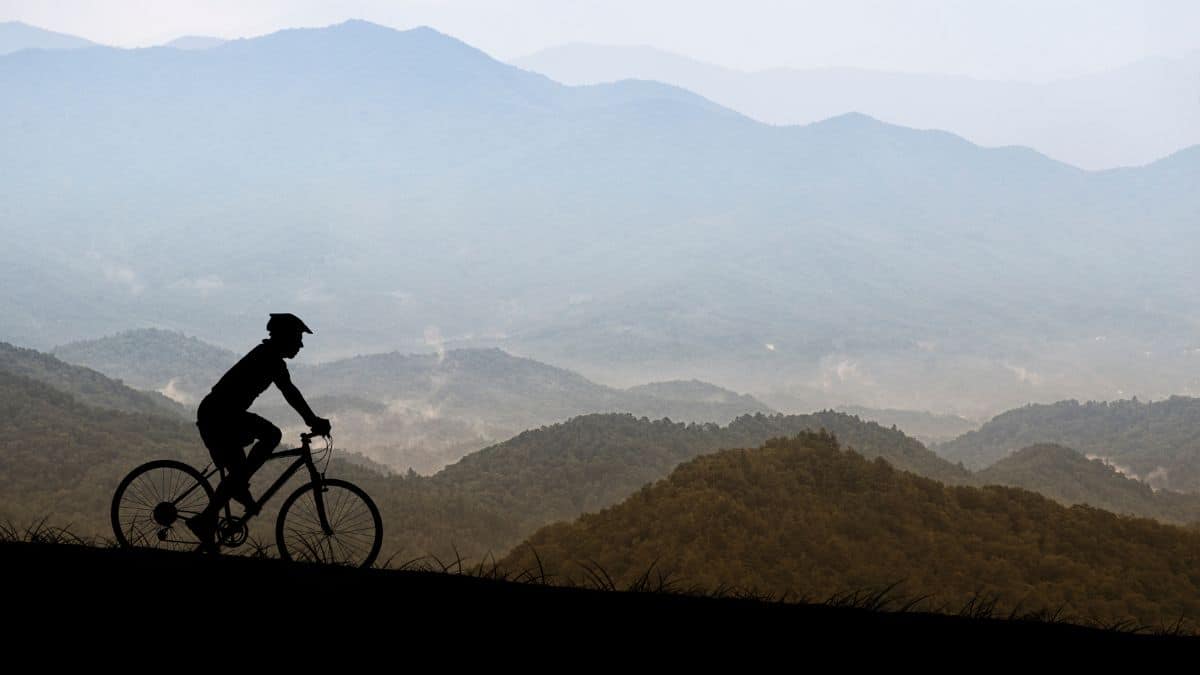
Mount Meru Trekking: A trek up Mount Meru is a multi-day adventure that offers stunning landscapes, wildlife encounters, and a challenging climb. The sunrise view from the summit is truly spectacular.
Practical Information
Before embarking on your journey, it’s essential to consider some practical information.
Best Time to Visit: Arusha National Park is open year-round, but the dry season (June-October) is ideal for game viewing, while the wet season (November-May) is excellent for bird watching.
Getting There: The park is a 40-minute from Arusha and 60 minutes from Kilimanjaro International Airport.
Accommodation:While there’s no accommodation within the park, several lodges and campsites are near the park gates.
Park Fees:As of 2023, the park fees for non-residents are $53 for adults and $18 for children.
Travel Responsibly
Responsible travel is vital to preserving the beauty and ecological integrity of Arusha National Park.
Respect Wildlife: Maintain a safe distance from any wildlife, don’t feed the animals, and keep noise levels down.
Stay on Designated Paths:hether on a game drive or a walking safari, stick to the designated paths to minimize disturbance to wildlife and their habitats.
Leave No Trace:Carry out all litter and ensure you leave the park as pristine as you found it.
Support Local Communities: Consider purchasing souvenirs from local artisans or hiring local guides to contribute to the local economy.
Food and Dining
While the park does not have dining options, various lodges and campsites around the park offer a range of local and international cuisine. Most safari tour operators also provide packed lunches for day visitors.
A typical Tanzanian meal may include staples like ‘ugali’ (a cornmeal porridge type meal), ‘nyama choma’ (grilled meat), and ‘kachumbari’ (tomato and onion salad). Take advantage of trying ‘chai masala,’ the local spiced tea, a perfect way to end your day.
Health and Safety
When drafting your travel plans, paying attention to health and safety precautions is indispensable. A comprehensive travel insurance policy, including emergency evacuation, should be a fundamental part of your preparations to handle any unforeseen situations.
In Tanzania, there’s a significant risk of malaria, so travelers are advised to take prophylactic medications and use mosquito repellents to minimize the risk of infection. To further safeguard your health, ensure you are up-to-date with routine vaccines, such as those for measles, mumps, rubella (MMR), diphtheria, tetanus, pertussis (DTaP), and polio.
Additionally, consider getting vaccinated for Typhoid and Hepatitis A. These diseases can be picked up through contaminated food or water in Tanzania. Ensuring your health and safety while traveling will help you enjoy your journey with peace of mind.
Park Rules and Regulations
Observing established park rules and regulations is essential to preserving the delicate ecosystem of Arusha National Park and ensuring the well-being of its residents. Avoiding off-road driving and refraining from ventures at night is crucial, as these activities can damage the park’s landscape and disrupt wildlife behavior.
Feeding animals is strictly prohibited, as it disrupts their natural food habits and can lead to dependence on humans. Additionally, contributing to a peaceful environment by avoiding loud music or unnecessary noise is essential to limit stress on the park’s inhabitants.
Proper waste disposal is also imperative, with all garbage being disposed of in designated areas or taken out of the park upon departure. Adherence to these guidelines by visitors is vital to maintaining the park’s natural balance and securing its pristine condition for future generations.
Photography Tips
Arusha National Park offers many fantastic photo possibilities, from extensive views of Mount Meru to close-up pictures of fascinating wildlife. Using a high-quality zoom lens to take animal pictures is essential to make the most of these changes.
This helps to avoid bothering animals by staying at a safe distance and highlights the details of your subjects while giving them space. Timing is also essential for getting the perfect picture.
During sunrise and sunset, the park has a soft, beautiful light that captures the natural beauty of Arusha. On the other hand, the intense sunlight at noon can often cause photos to be overexposed, so it’s better to avoid taking pictures at that time for the best results.
How to Plan Your Visit with Easy Travel Tanzania
Easy Travel Tanzania is a reliable go-to option for planning a visit to Arusha National Park. With more than 35 years of experience in the industry, we specialize in curating bespoke safaris and tours meticulously customized to suit your preferences, budget, and schedule.
By taking care of every aspect of your trip, from transportation and meals to accommodation and expert guidance, we guarantee a smooth and hassle-free experience. Entrusting Easy Travel Tanzania with your arrangements promises an unforgettable adventure in Arusha National Park, all while eliminating any travel-related stress.
So, please sit back, relax, and let us bring your dream safari to life.
Conclusion
Arusha National Park’s diverse landscapes, abundant wildlife, and various activities are a must-visit destination on any Tanzanian itinerary. This travel guide should equip you with all the essential information for your 2025/2026 visit.
So pack your binoculars, lace up your hiking boots, and get ready to explore this captivating park. Here at Easy Travel Tanzania, we’re excited to guide you on this adventure.