

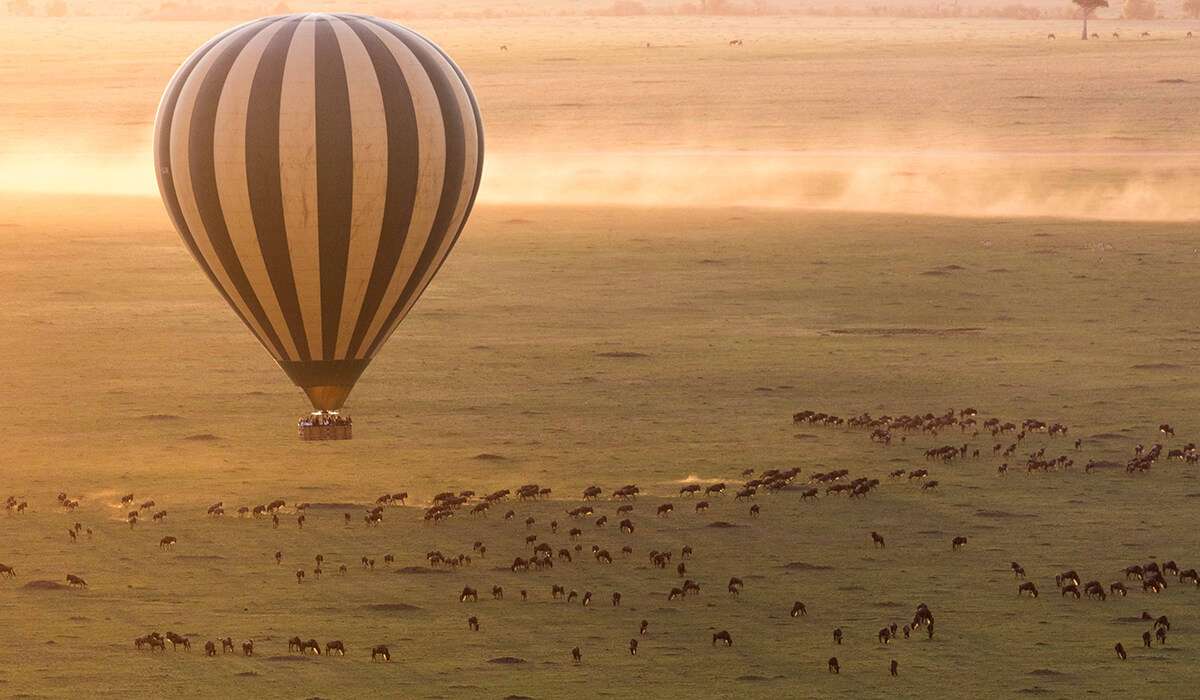
When it comes to national parks, the Serengeti is the holy grail. This stunning national park covers 5,700 square miles or 14,763 square km of the Serengeti plains and the extensive acacia woodland savanna.
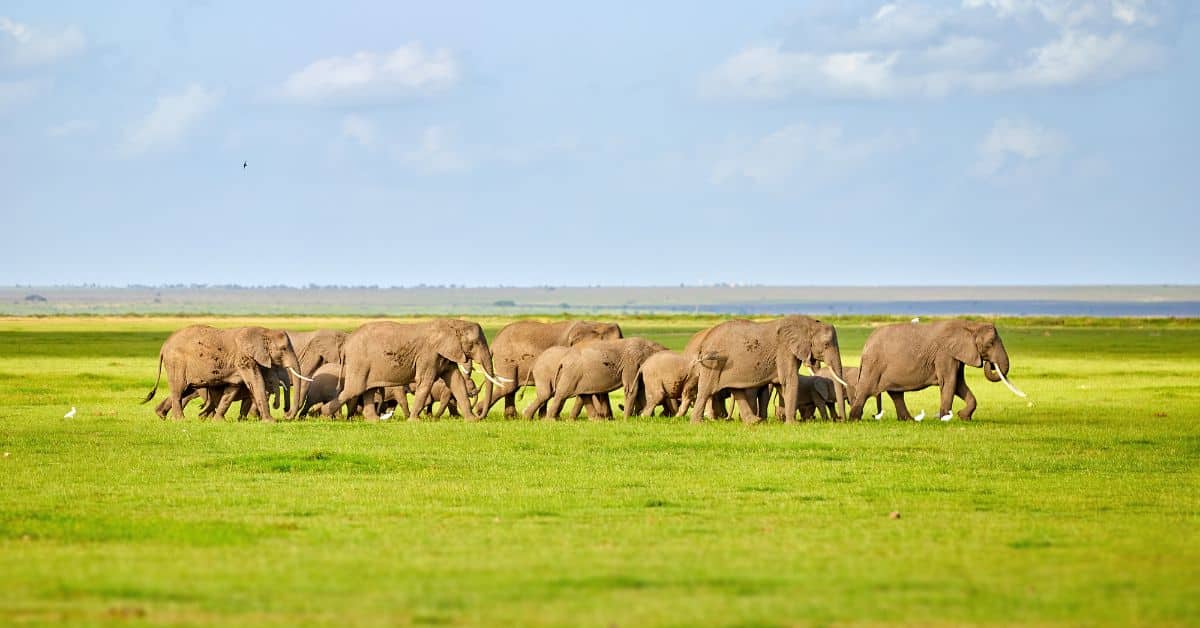
With a vast abundance of wildlife, such as big cats and large herds of elephants. On top of that, it’s the focal place of the great migration, wherein millions of wildebeest migrate.
It all starts around May when the wildebeest head out to the grassy plains and woodland on the Serengeti National Park’s western corridor.
By June or July, the wildebeest arrive at the northern Serengeti plains, where they risk it all by crossing the crocodile-infested Grumeti and Mara rivers.
If you plan to visit Serengeti National Park, it’s best to know these ten things about the Serengeti.
The Serengeti ecosystem is the oldest in the world
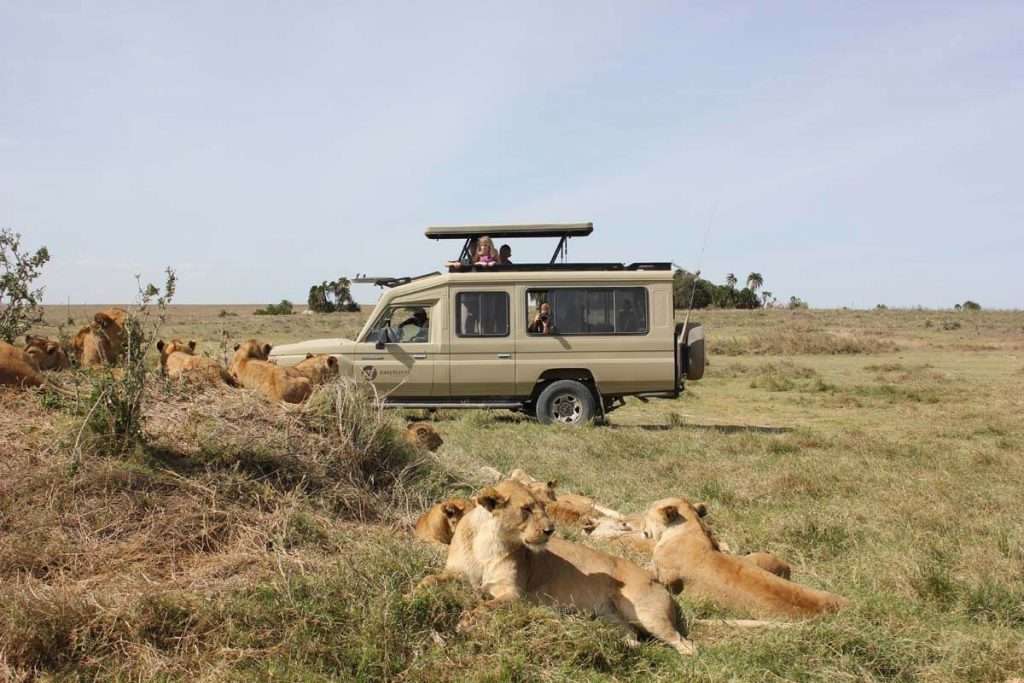
It’s well-documented that the Serengeti ecosystem is one of the oldest and most scientifically significant ecosystems globally. Its weather patterns, flora, and fauna are thought to have altered only a little for a million years, providing the area with a prehistoric presence.
The greater Serengeti ecosystem, with its sweeping plains, can be witnessed in a safari vehicle where you can see hoofed animals, lions, black rhinos, thousands of different species of birds, and so much more.
Learn more about the geology of the Serengeti today.
It’s an ancestral land

When you visit East Africa, particularly in central Serengeti, you’ll witness the great migration and the Ngorongoro Conservation Area, where the Ngorongoro crater is located. This land is vast and is a Unesco World Heritage site.
Across the border of the Serengeti lies the Masai Mara National Reserve, wherein there are twice-a-day game drives, and you can see this beautiful country up in the air via hot air balloons. This place is nestled on the west Kenyan border, where greener pastures are found.
You can visit the maasai village or the maasai tribe
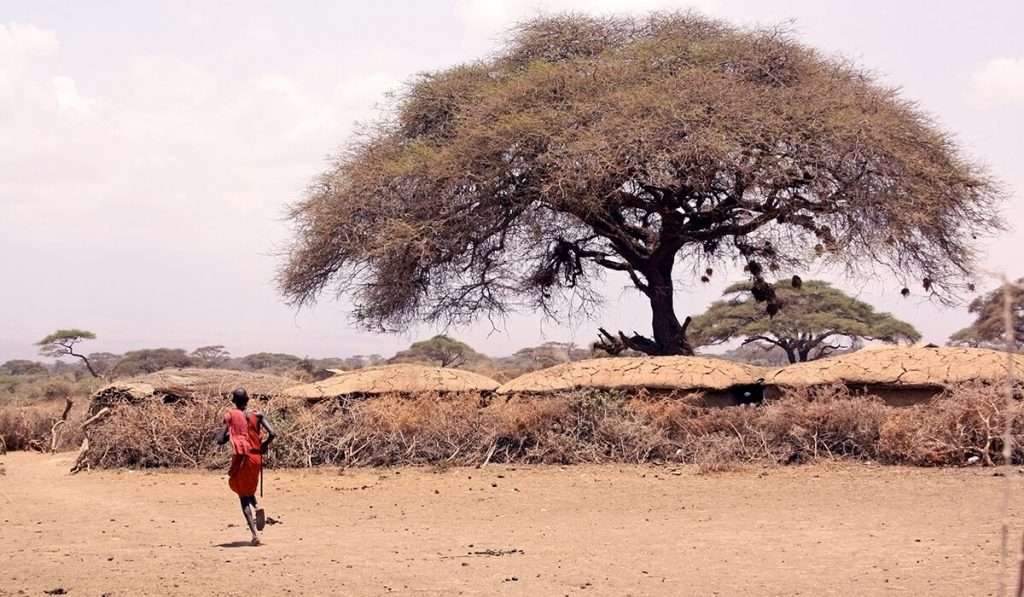
You’ll see the Maasai village and tribe themselves during your visit. This can be arranged with your local tour operator to have a smooth and fantastic experience with the tribe and immerse yourself in their culture.
However, it’s best to note that you must donate to the village and buy souvenirs from their ‘gift shop.’
Learn more about the Maasai today.
There’s an entrance fee
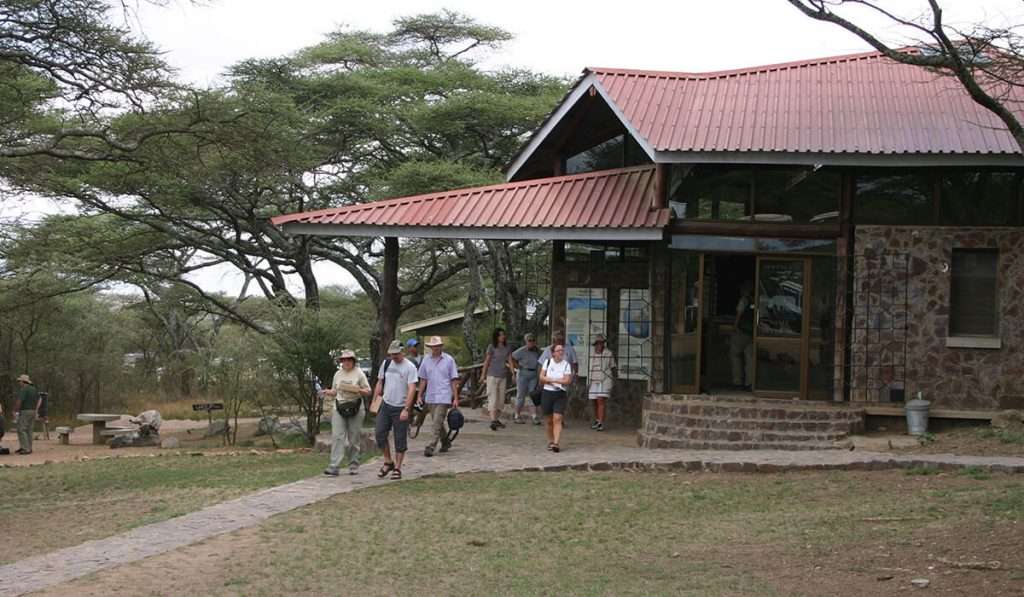
You must pay an upfront entrance fee when you enter the southern Serengeti or any park. Adult tourists aged 16 years and above have to pay US $83, and children between the ages of 3 and 16 are expected to pay US $24.
Children below three years old get free admission. There are also opportunities to experience walking safaris, wherein you can see different antelope species, hoofed animals, hunting dogs, bush babies, lion kings, hippos and other grazing animals, and natural wonders. Contact us today to plan a trip like this.
Furthermore, you can see the millions of wildebeest crossing into the dangerous, crocodile-infested Grumeti and Mara rivers.
Check out our popular River Crossing safari for more.
There is an annual migration of over two million wildebeest
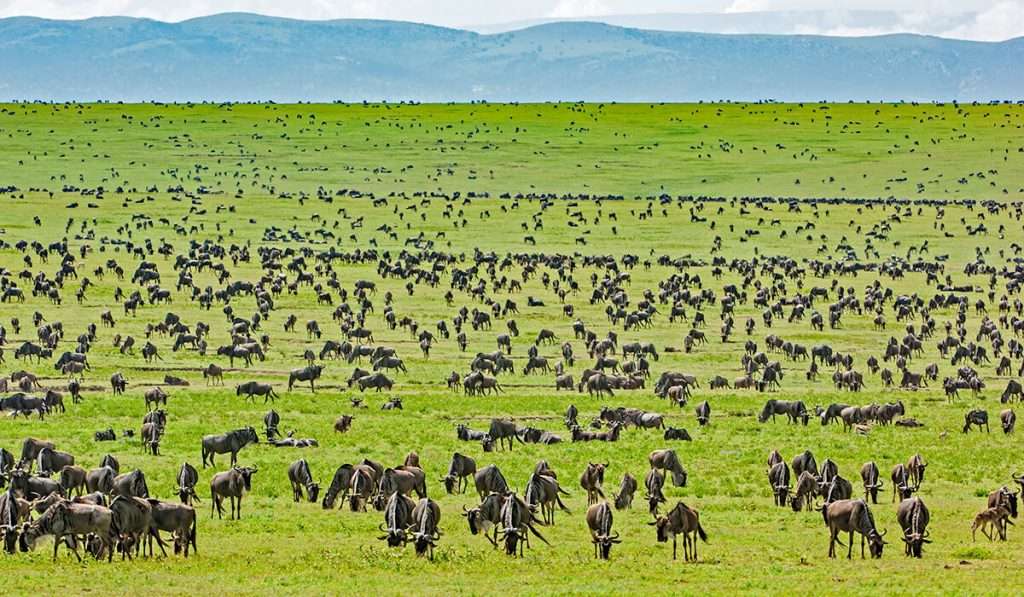
The Great Wildebeest Migration was chosen as one of the seven natural wonders of Africa, including the Nile River, the Okavango Delta, the Red Sea reef system, Mount Kilimanjaro, the Ngorongoro crater, and the Sahara Desert.
Hundreds of thousands of wildebeest herds travel throughout the region into Kenya in pursuit of fresh water and grass. Since the Serengeti will likely be packed during the great migration, you can visit the Ngorongoro crater to avoid the crowd but still have a fantastic experience viewing the migration.
Browse our migration safaris today.
No night drives in the Serengeti
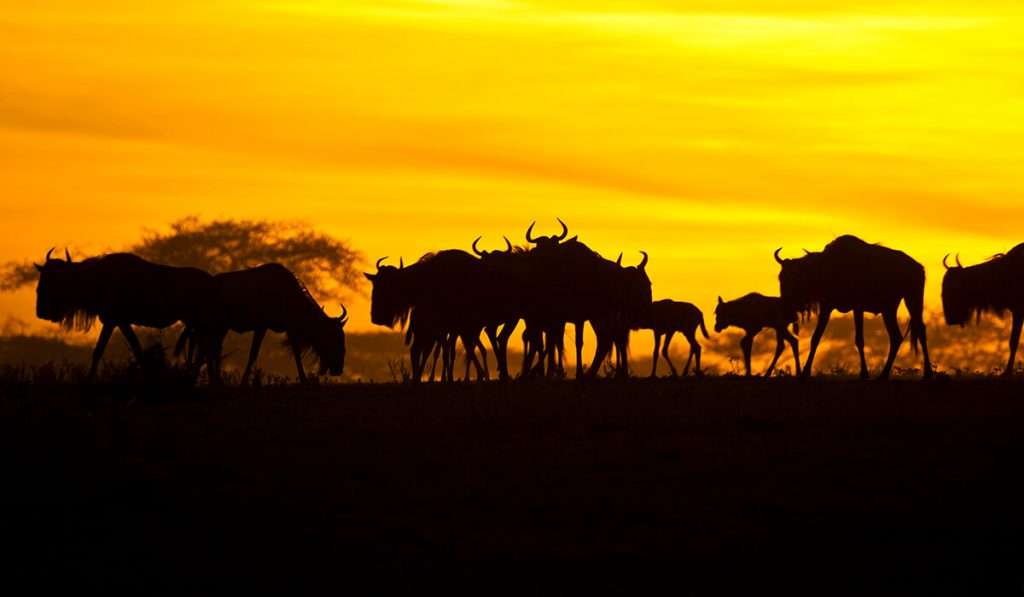
Another thing worth knowing about the Serengeti is that there are NO night drives there, only in the nearby areas. The night game drives are an enthralling way to see wildlife thriving during the evening rather than during the day.
Animals that can be seen during this time are aardvarks, bush babies, civets, and larger menacing animals that prowl for fresh meat. However, night drives must be authorized in the Serengeti National Park.
But, no worries, as many world-class lodges in and around the Serengeti area offer nighttime game drives—usually on the outskirts. On top of that, the Serengeti doesn’t have any fences, allowing you to see the great game during the nighttime drives.
What is the best time to visit? Contact us today.
Experience the colourful swahili culture
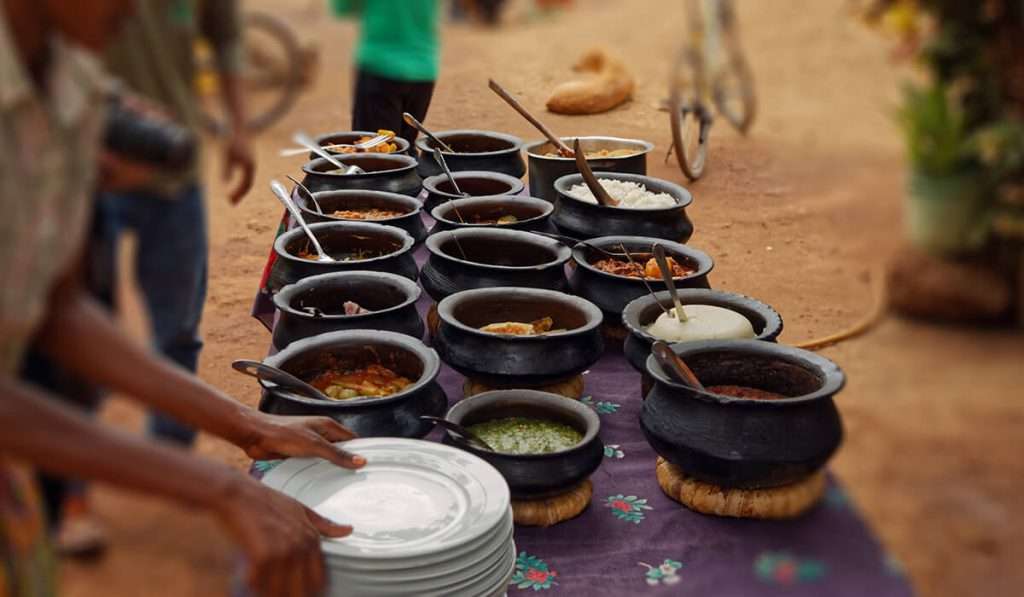
The Swahili culture is prevalent in Tanzania, so you’ll experience this when you travel through the stunning Serengeti. Try local Swahili cuisines, such as Nyama Choma, ugali, pilau, and more!
Love the culture? Then browse our recommended cultural tour today.
It has the best and most scenic accommodations

The Serengeti is blessed with wildlife and other varieties, such as its accommodations. It could be easy to think you’ll have it rough, but this isn’t the case.
The Serengeti has luxury campsites and comfortable bush lodges to suit every traveller’s tastes. With a selection of tours available, contact us today to help plan your Safari adventure.
It’s best to visit the Serengeti during the dry season
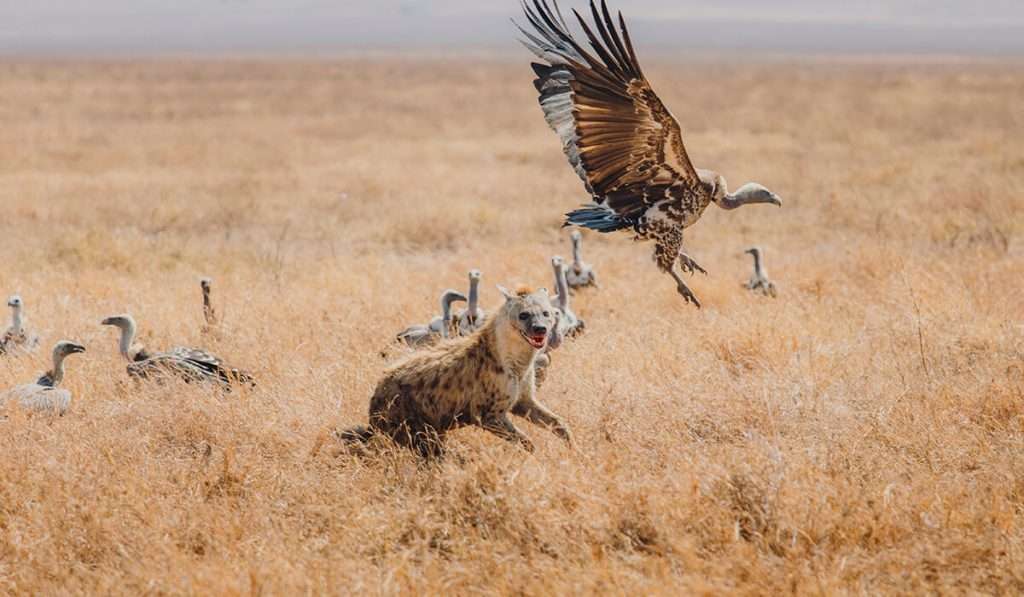
When you visit the Serengeti, it’s best to do it during the dry season to experience the best wildlife viewing, rock formations, and other marvellous sights of this Unesco site.
Moreover, avoiding the rainy season is best to get the best African experience in the Serengeti.
The Serengeti is one of the seven wonders in Africa

The breathtaking Serengeti, known for its stunning wildlife spectacles, is one of Africa’s seven natural wonders. It shares this esteemed recognition with other regional marvels—the expansive Sahara Desert, the nurturing Nile River, and Botswana’s intricate Okavango Delta.
Another notable site in close relation to the Serengeti is Kenya’s Maasai Mara Reserve. This expanse of wilderness, with its abundant wildlife and vibrant indigenous cultures, complements the Serengeti’s grandeur while contributing uniquely to East Africa’s allure.
One remarkable experience visitors flock to the Serengeti and Maasai Mara Reserve for is the hot air balloon safari. Offering a unique birds-eye view of these stunning landscapes, the balloon safaris encapsulate the essence of these regions, soaring above the sprawling savannahs and witnessing the unspoiled beauty of one of Africa’s most prestigious wonders.
Other amazing parks to visit in Tanzania

1. Ruaha National Park
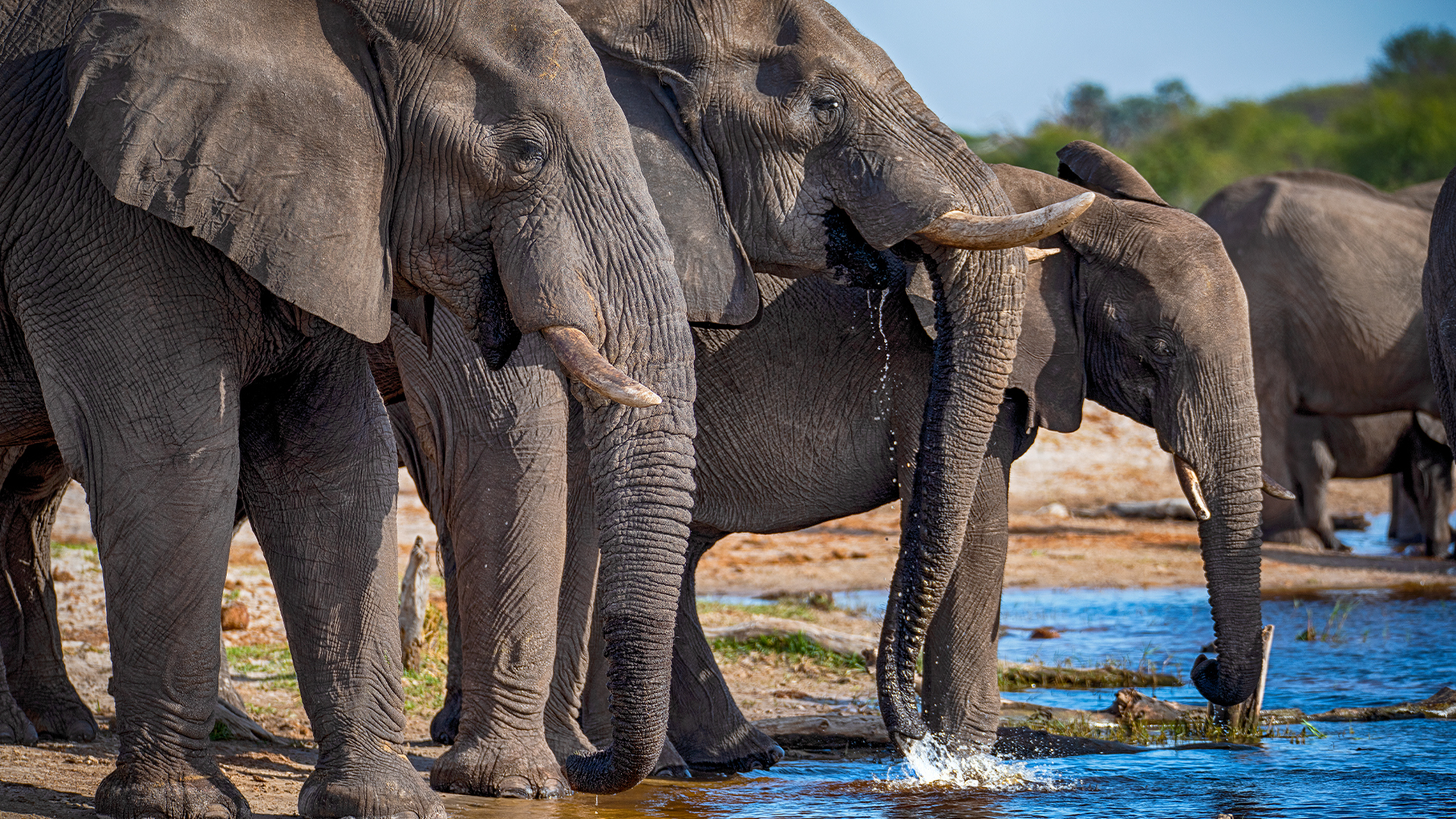
Ruaha National Park, a place of wild beauty and a refuge for wildlife, is Tanzania’s largest national park in the heart of the country. It is renowned for its unspoiled wilderness and contains one of Tanzania’s most excellent elephant populations. The terrain is a rugged and thrilling landscape, ranging from semi-arid bush to verdant river valleys dotted with ancient baobab trees.
Home to Greater and Lesser Kudu and the majestic sable and roan antelope, Ruaha offers a unique safari experience where the sense of adventure is as untamed as the rolling rivers that cut through the park. Predators in Ruaha, including lions, leopards, and cheetahs, roam freely, adding to the thrilling drama of the African wild.
Bird watchers are also in for a treat with over 570 bird species recorded, making Ruaha a hidden gem in Tanzania’s crown of national parks.
2. Lake Manyara National Park
Found at the bottom of the Great Rift Valley escarpment, Lake Manyara National Park is a verdant oasis in the otherwise dry terrain of northern Tanzania known for its spectacular biodiversity. This compact park offers a microcosm of the Tanzanian safari experience with green groundwater forests, a shimmering lake, and open grasslands that attract substantial wildlife populations.
It famously hosts tree-climbing lions and large troops of baboons, an unusual behaviour for these big cats often sought after by wildlife enthusiasts. The namesake Manyara Lake paints the park’s floor, and during the wet season, its alkaline waters attract flocks of flamingos and a myriad of other waterfowl.
Elephants wandering through forests of giant fig trees and mahogany and the 400 different bird species add to the park’s impressive diversity. Despite its modest size compared to Tanzania’s other parks, Lake Manyara offers a compact and fulfilling experience of the country’s wildlife offerings.
3. Tarangire National Park
Tarangire National Park, often overshadowed by its more renowned neighbours, reserves a quiet charm that flourishes with hidden treasures and a milder flow of tourists. Known for its baobab trees and high density of elephants, it provides an almost mystical experience as herds traverse underneath the towering ancient branches
The Tarangire River meanders through the park, attracting wildlife and ensuring excellent game viewing, particularly during the dry season when animals concentrate along its banks. It is also regarded as one of the best places in East Africa to see large numbers of mammals, hosting an array of species, including buffalo, giraffes, and hartebeests.
With over 300 bird species recorded, it is a haven for bird enthusiasts, displaying a vibrant array of feathered fauna. The park’s subtle beauty, accented by twisted acacia and silhouette of baobabs against a setting sun, makes it a distinctive location in Tanzania’s touristic landscape.
4. Ngorongoro Conservation Area
Preparing for the weather in Tanzania

When you go to Tanzania, it’s best to prepare for the weather and pack the correct type of clothes. Typically, the climate here is tropical, and the coastal sites are hot and humid, while the northwestern highlands are temperate and cool.
Tanzania has two rainy seasons—the short rains from October to December and the long rains from March to June. It’s also best to note that the central plateau tends to be dry throughout the year.
If you’re a bird watcher, you can get fantastic accommodation prices during the rainy season, where many bird species await to be studied.
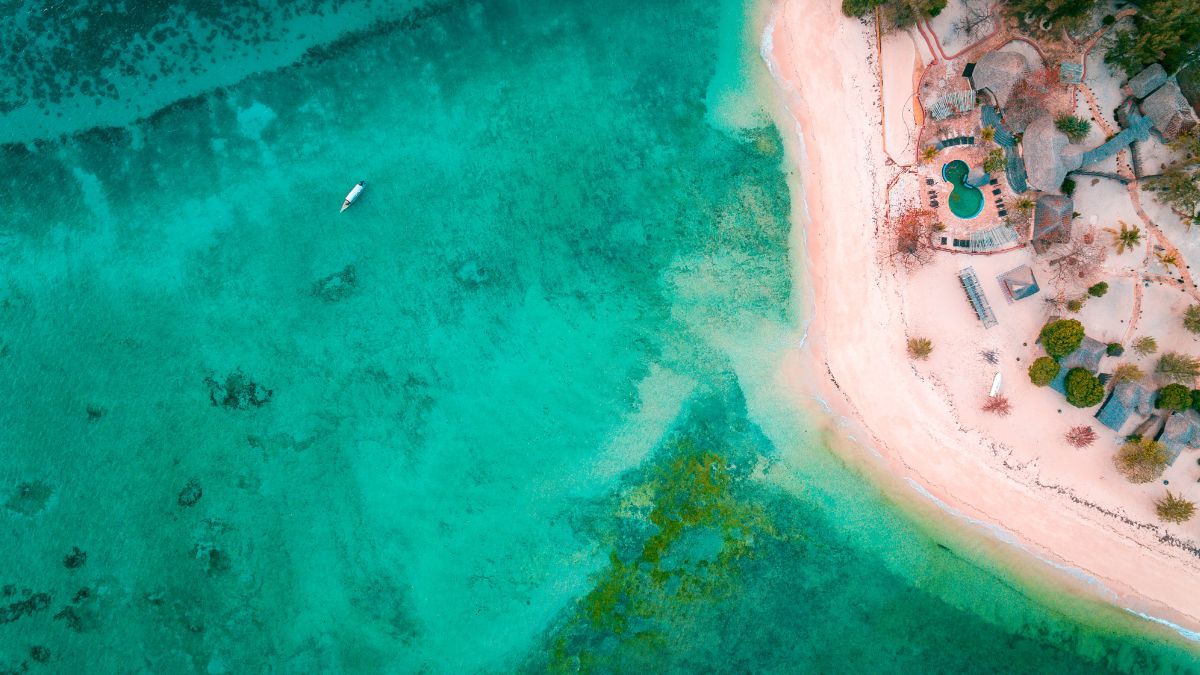
However, Zanzibar Island offers beautiful beaches with turquoise waters if you want a beach holiday. You can also visit Pemba Island and Mafia Island if you want a more tropical holiday.
This can be added to your Safari package. Get in touch with us to find out how.
Prepare for those cold nights

The nights in the Serengeti can be relatively cold under the open skies. Correspondingly, the daybreak game drives on the Serengeti can be pretty chilly, so pack some long pants and a comfy sweater for cold mornings and nights.
Although there are many tented camps and lodges with outdoor fire pits to sit around, you might still feel chilly if you need to wear proper clothing. Some tented camps and lodges offer guided nature walks, so take comfortable sneakers or shoes.
Since tented camps don’t usually have 24-hour electricity, it’s wise to pack extra batteries for your camera or have an external battery pack for your cell phone.
Experience the wild on a tented safari.
What do you wear on a safari?

Embarking on a Serengeti safari brings visions of vibrant sunsets, hot air balloon rides above the vast plains, and exciting encounters with diverse wildlife. However, it is essential to remember the practicalities of such an adventure, including the importance of packing lightly and opting for earth-toned clothing.
A dusty experience awaits you, and colours such as khaki and tan will help camouflage the dirt on your attire – a must when staying at a tented camp with limited laundry facilities. Moreover, it’s best to avoid red, purple, or royal blue clothes as these colours tend to make animals shy away, potentially affecting your wildlife encounters.
Choosing wisely ensures a seamless experience to fully enjoy serene hot air balloon safaris and the breathtaking Serengeti landscape, as nature intended.
View our safari fashion essentials guide today.
Conclusion
Whether you’re coming to Serengeti for the wildebeest river crossings or enjoying a serene bird-watching time, this park has it all. Serengeti National Park is enormous and offers a plethora of different safari options.
Contact Easy Travel today to start planning your dream safari or to get travel tips for your Tanzanian adventure! Alternatively, please take a look at our Safari Tours to start planning.
Frequently Asked Questions (FAQs)
1. What is the best time to visit the Serengeti?
The Serengeti offers year-round wildlife viewing, but the best period to visit is during the dry season, from late June to October. Wildlife is easier to spot because the grass is shorter, and animals frequent the watering holes.
However, it’s best to visit between December and July to witness the Great Migration, a spectacle of over a million wildebeests and zebras on the move. Timing can vary depending on rainfall patterns. Park attractions such as the Ngorongoro Crater and Lake Victoria are accessible yearly.
2. Is the Serengeti safe for tourists?
Tourists have been visiting the Serengeti for decades, and it’s generally safe, though it’s important to remember it is a wild animal habitat. Visitors should always follow park rules and guidelines provided by tour guides.
Some basic precautions include keeping a safe distance from animals, staying in your vehicle unless told otherwise, and keeping noise levels low. Ensuring appropriate travel insurance is essential, and vaccinations are vital for safety and health reasons when visiting Tanzania.
3. How big is the Serengeti National Park?
The Serengeti National Park, a UNESCO World Heritage Site, spans an impressive area of about 14,763 square kilometres (5,700 square miles). This vast park is part of the larger Serengeti ecosystem stretching northern Tanzania into southwestern Kenya, covering around 30,000 square kilometres (12,000 square miles). This expansive region ensures that animals, especially migratory species, have diverse habitats and enough space to roam freely.
4. How can I reach the Serengeti National Park?
The easiest and fastest way to reach Serengeti National Park is by air, with frequent connections from Arusha, Kilimanjaro, and Dar es Salaam airports. Several daily flights land on airstrips within the park.
>Alternatively, a road trip from Arusha takes about 8 hours and offers an insight into rural Tanzania’s beautiful scenery. The route passes through Ngorongoro Conservation Area, another popular tourist destination.
5. What kind of accommodations are available in the Serengeti?
The Serengeti offers a range of accommodations to suit every taste and budget—from luxury lodges to budget-friendly campsites. Luxury lodges provide top-tier services with comfortable suites, fine dining, and swimming pools.
Tented camps, permanent or semi-permanent, offer a more immersive safari experience without compromising comfort. For the budget-conscious, public and particular campsites provide basic facilities in stunning natural surroundings.
6. What wildlife can I expect to see in the Serengeti?
The Serengeti is celebrated for its tremendous wildlife diversity. It is famous for the Big Five – lion, leopard, elephant, buffalo, and rhinoceros and hosts one of Africa’s largest populations of lions.
Other common sightings include cheetahs, hyenas, giraffes, and various antelope species. Each year, the park is a scene of the Great Migration, the world’s largest overland migration involving millions of wildebeests, zebras, and gazelles.
7. Can I experience a hot air balloon safari in the Serengeti?
Yes, hot air balloon safaris are a highlight of the Serengeti experience. They provide an unforgettable aerial view of the expansive plains and the wildlife below.
Balloon safaris typically begin at dawn and last about an hour, followed by a champagne breakfast in the bush. It’s a magical experience, offering a unique vantage point and unforgettable photographic opportunities.